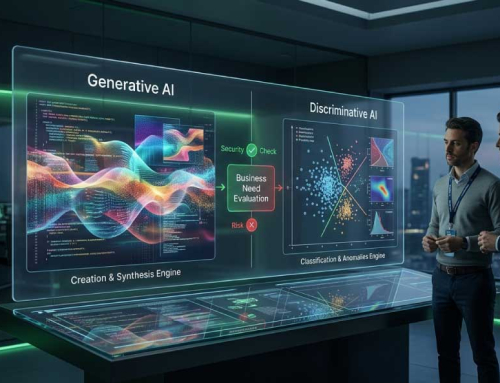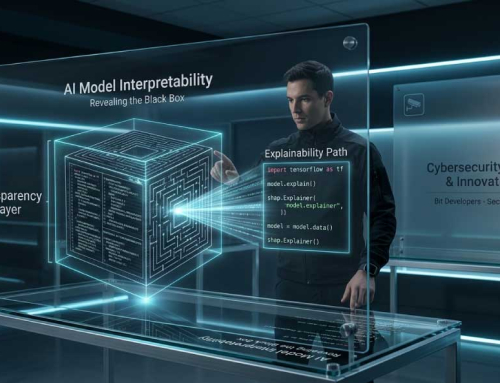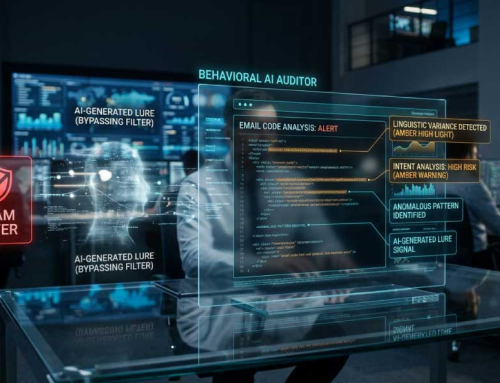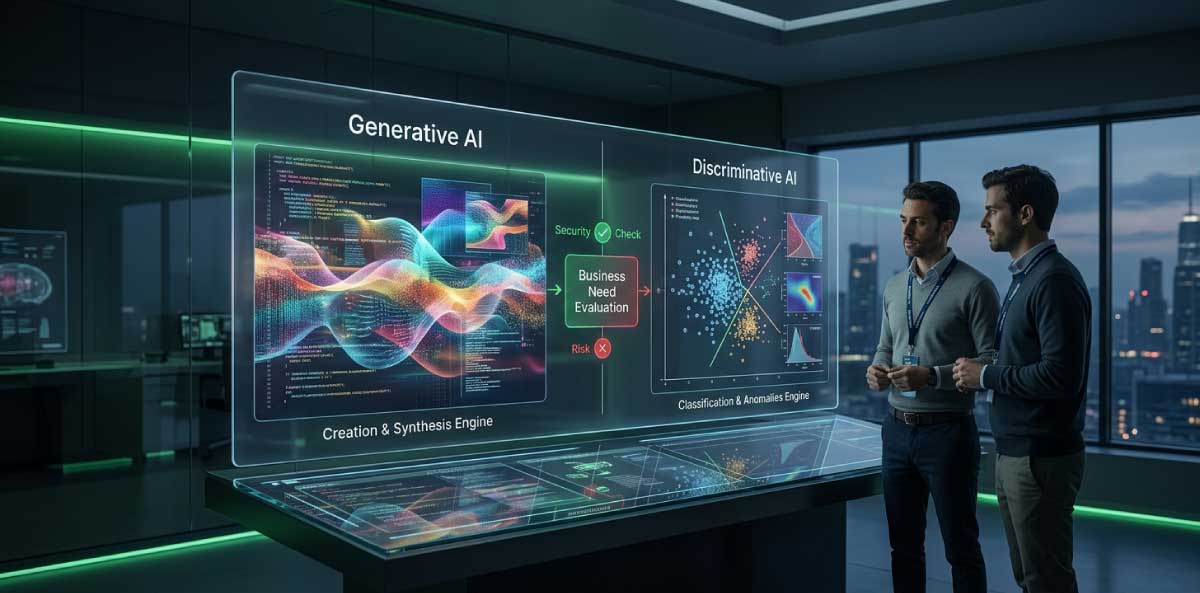

For the past few years, the enterprise world has been captivated by Large Language Models (LLMs) acting as sophisticated conversationalists. We’ve seen chatbots summarize meetings and generate emails with impressive speed. But as we move further into 2026, a more profound shift is occurring in the architecture of business technology: the transition from Generative AI to Agentic AI.
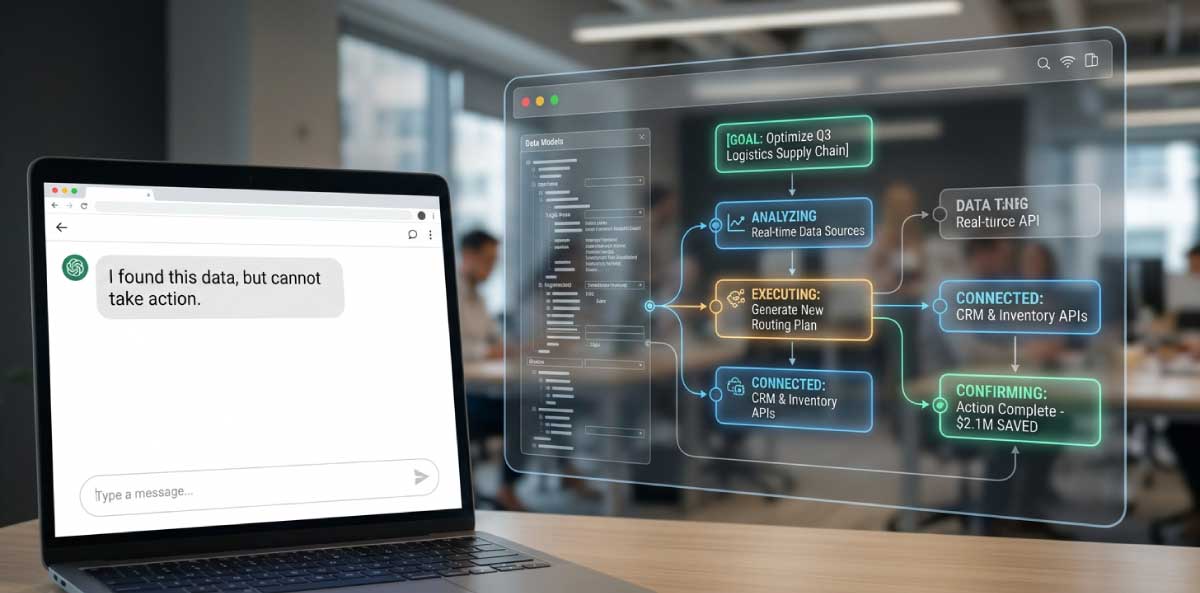
At Bit Developers, we are seeing this evolution firsthand. It is no longer enough for an AI to provide an answer; the next generation of software is designed to take the action.
What is Agentic AI?
Unlike traditional chatbots that require a “human-in-the-loop” for every step, Agentic AI refers to autonomous systems capable of reasoning, planning, and executing complex workflows across multiple platforms. If a chatbot is an assistant you talk to, an Agentic system is a colleague you delegate to.
From Response to Result: Three Enterprise Use Cases
1. Autonomous Supply Chain Orchestration In our previous discussion on Blockchain for Business, we explored how smart contracts provide a source of truth. Agentic AI takes this a step further. Instead of simply alerting a manager to a shipment delay, an AI Agent can autonomously negotiate with secondary suppliers, re-route logistics based on real-time weather data, and update the inventory ledger—all before a human even logs in.
2. Predictive Security & Self-Healing Code As cybersecurity researchers, we know that the “Detection to Response” window is the most critical metric in any Incident Response plan. Agentic AI doesn’t just flag a potential breach; it can autonomously isolate a compromised container, spin up a secure mirror, and begin a forensic audit in milliseconds. It transforms security from a reactive struggle into a proactive, “self-healing” architecture.
3. Hyper-Personalized Business Automation Traditional marketing automation follows rigid “If/Then” logic. Agentic AI, however, understands intent. By analyzing real-time customer data and market trends, these agents can adjust pricing models, launch targeted ad campaigns, and optimize the customer journey on the fly, ensuring that the business remains agile without requiring constant manual intervention.
The Security Challenge: The “Agency” Risk
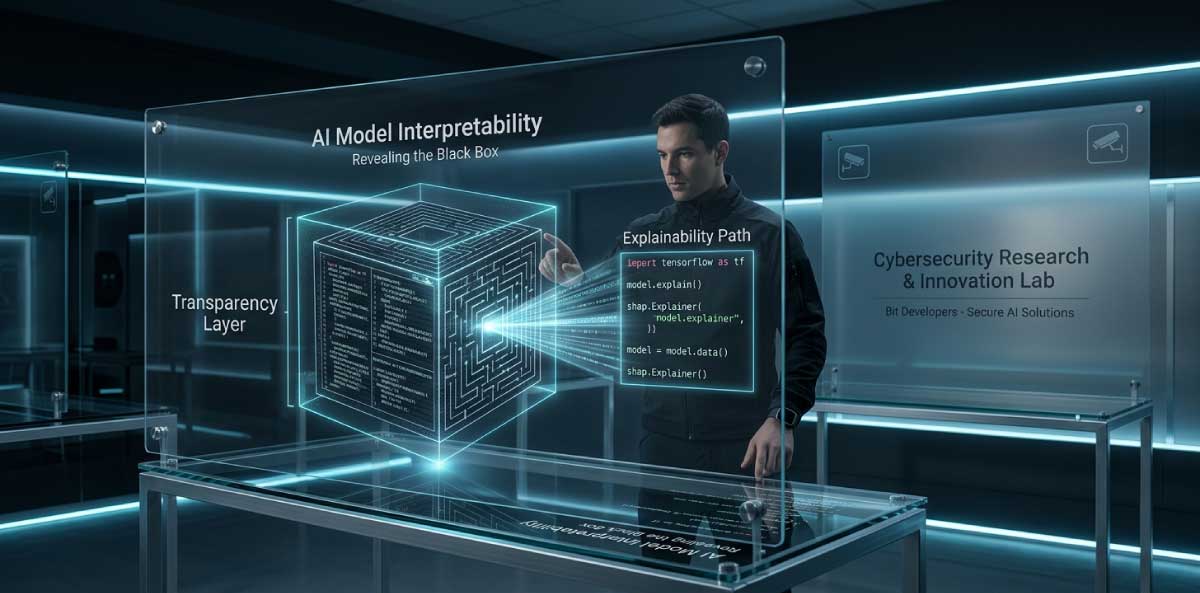
With great autonomy comes a new set of risks. If an AI agent has the power to execute financial transactions or modify codebases, the attack surface changes. At Bit Developers, we advocate for a Secure-by-Design approach to AI implementation. This includes:
-
Constrained Environments: Ensuring agents operate within “sandboxed” permissions.
-
Audit Trails: Maintaining immutable logs of every decision the agent makes.
-
Verification Layers: Implementing secondary “auditor agents” that monitor the primary agent for logic drift or security violations.
Final Thoughts: Building for the Agentic Future
The move to Agentic AI represents the “Final Frontier” of business automation. For enterprises, the goal is no longer to find an AI that can answer questions—it is to build an ecosystem of agents that can solve problems.
As we continue to develop custom AI solutions at Bit Developers, our focus remains on ensuring these systems are not just “smart,” but robust, secure, and aligned with your long-term business strategy.